Fixed-rate method
$537.00
768 hrs × 70c = $537.60
Add a desk or chair to include depreciation
Free Australian tax tool
Work out a 2025–26 working-from-home claim the way the ATO does: hours × 70c, then add the work-related decline in value of a desk, chair or computer. Compare that with itemised running costs before you lodge.
Estimates only — not tax advice. Confirm with the ATO or a registered tax agent before you lodge.
Estimated 2025–26 claim for 768 hours
$537.00
768 hrs × 70c = $537.60
Add a desk or chair to include depreciation
$0.00
Enter bills to compare
Same furniture rules as the hourly rate
Most people use the 70c rate, then add desk and chair decline in value.
See the disclaimer above: these notes are a starting point, not a substitute for the ATO calculator or a registered tax agent.
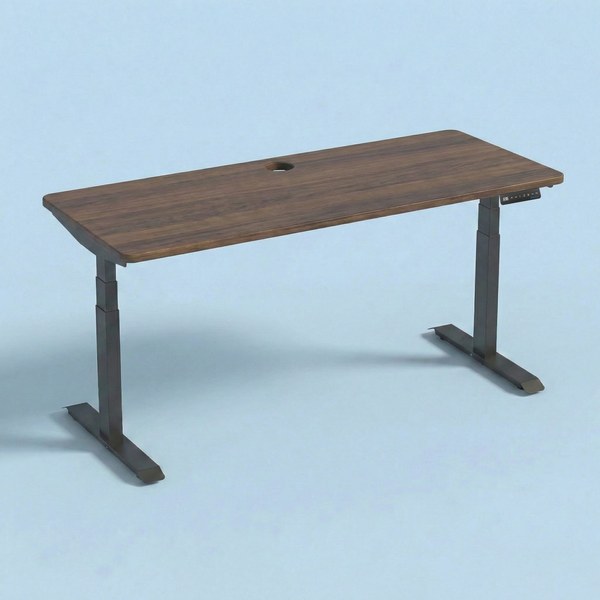
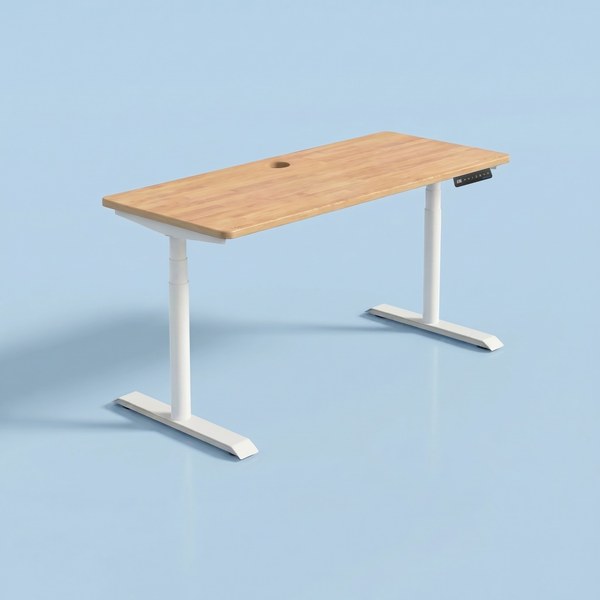
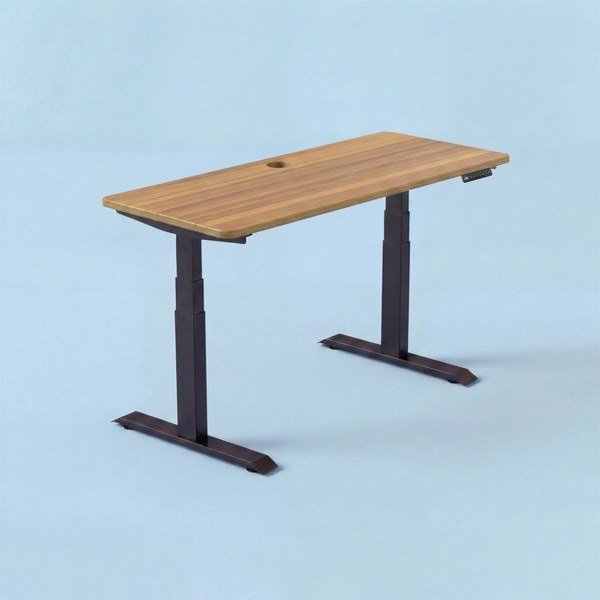
The hourly rate is the simple path for most employees. Furniture is the extra most people miss: a standing desk is not included in the 70c, so decline in value can be claimed as well.
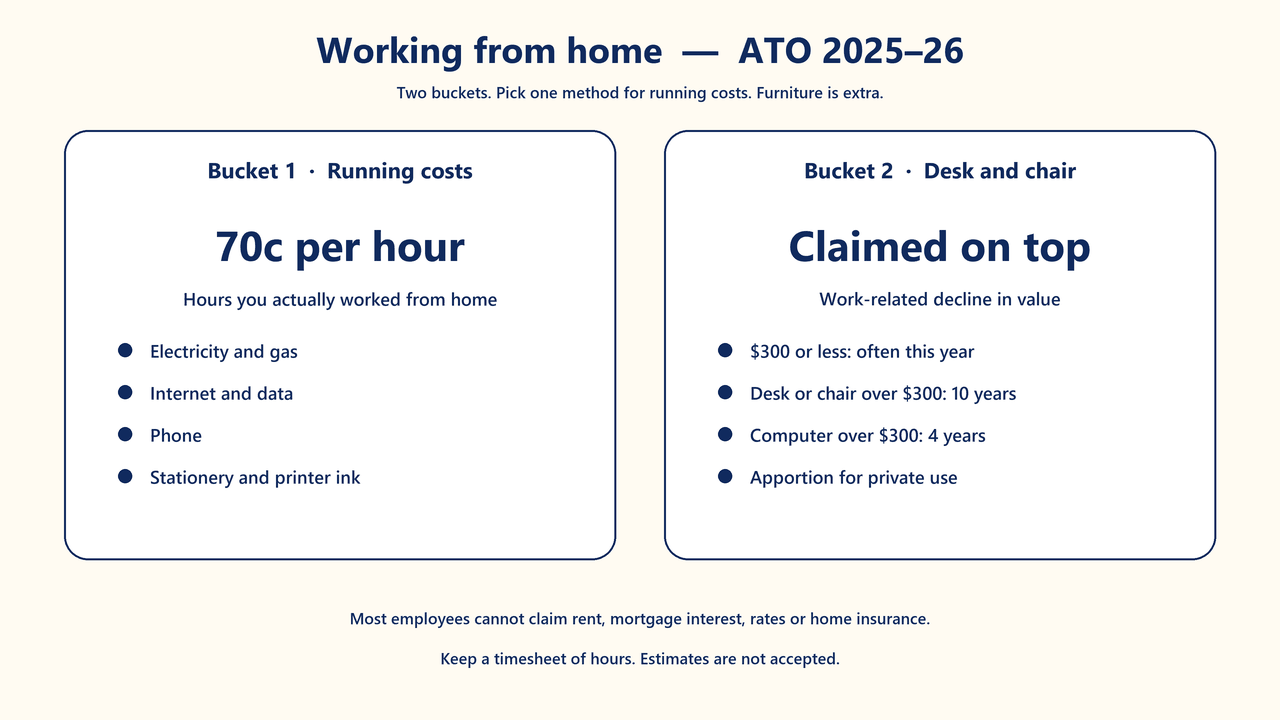
Add up the hours you worked from home this income year from a timesheet, roster or diary kept at the time. Estimates are not accepted for the fixed-rate method.
Multiply those hours by 70c for 2025–26 (or the rate for the year you are lodging). That figure covers electricity, gas, internet, phone and stationery — you cannot claim those again separately.
Items of $300 or less used mainly for work can usually be claimed this year. A standing desk or chair over $300 is depreciated over its effective life (typically 10 years, diminishing value). Apportion for private use.
If you have bills, price the work portion of energy, internet, phone and stationery. Pick the higher lawful method. Keep receipts and hour records for five years.
Official rules: ATO fixed-rate method and the ATO home office expenses calculator.
Usually yes, if you bought it to do your job from home and you keep the receipt. A desk over $300 is a depreciating asset — you claim the work-related decline in value each year, not the full price in year one. A desk of $300 or less used mainly for work can often be claimed immediately. This is separate from the 70c hourly rate.
For 2024–25 and 2025–26 the revised fixed-rate method is 70c per hour you actually work from home. It covers extra electricity and gas, internet and data, phone, and stationery. It does not cover the decline in value of a desk, chair, computer or monitor — those are claimed on top.
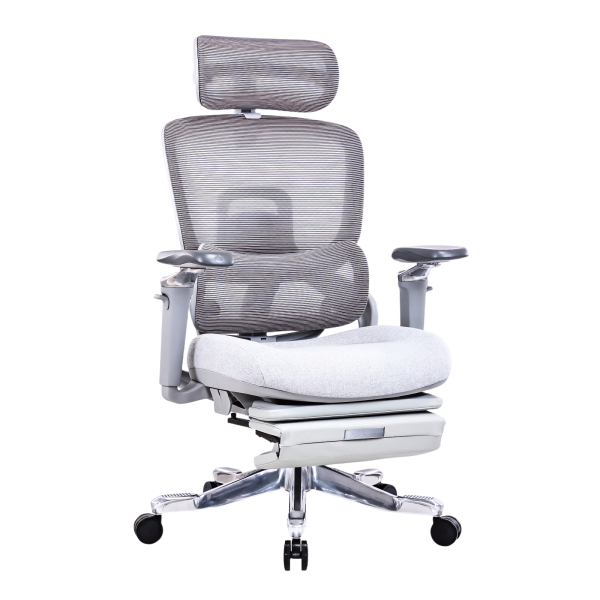
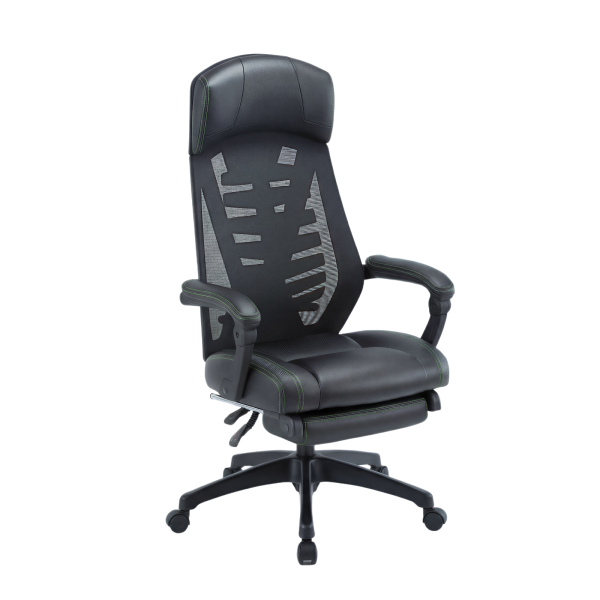
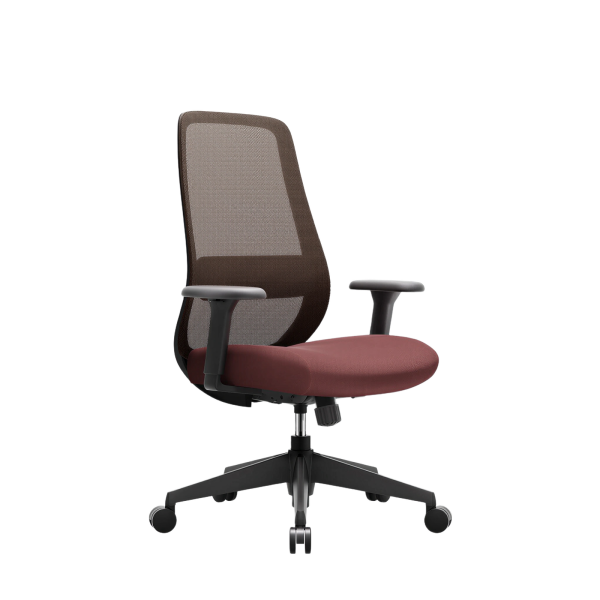
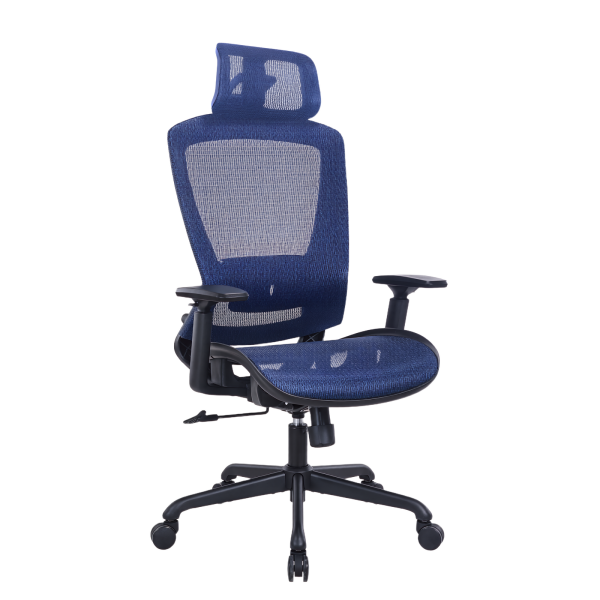
Yes. The hourly rate does not include furniture. Claim the work-related portion of the chair’s decline in value (or the full work-related cost if it was $300 or less and used mainly for work) in addition to hours × 70c.
No. The fixed-rate method does not require a separate room. You do need a record of hours and at least one bill for each running expense the rate covers. Occupancy costs such as rent or mortgage interest are generally not deductible for employees.
Pick one method for running expenses — you cannot mix them. Use this calculator to compare hours × the published rate with the work portion of your bills. Furniture depreciation is added to both. The ATO disregards cents rather than rounding when you lodge.
A record of actual hours (not an estimate) for the whole year, at least one bill for each expense type covered by the rate, and receipts plus a work-use note for depreciating assets. Keep them for five years after you lodge. The ATO’s own home office calculator and myDeductions in the ATO app are the official tools to confirm a figure before you file.
Loading reviews…